

Great films can change the way we see a place. Sometimes it's a mountain range. Sometimes it's a neighbourhood. Sometimes it's a city you've never considered visiting before.
For decades, LGBTQ+ and queer cinema has told stories of love, identity, resistance, community, and self-discovery against the backdrop of some pretty extraordinary destinations. From the windswept hills of Yorkshire to the bustling streets of Seoul and everywhere in between, these places don't just appear on screen — they help shape the story.
If you're looking for travel inspiration with a cinematic twist, then these LGBTQ+ filming locations more than deserve a closer look.
Northern Italy's slow summer magic in Call Me By Your Name

There are few places that capture the feeling of a long romantic summer quite like Lombardy. Filmed around the small city of Crema in northern Italy, Luca Guadagnino's Call Me By Your Name introduced audiences to quiet villages, sun-drenched squares, and countryside roads lined with Mediterranean cypress trees. The pace of life is slower here; mornings begin with espresso in a local café, afternoons stretch into long lunches accompanied by campari spritzes, and bicycles remain one of the best ways to explore.
Beyond the film, this picturesque corner of Italy offers travellers a chance to experience a less-visited side of the country, where local traditions, family-run restaurants, and historic architecture take centre stage. Within easy reach of Milan, Crema makes the perfect day trip to follow in the footsteps of Elio and Oliver and their summer of love.
Raw coastal romance in Portrait of a Lady on Fire
Céline Sciamma’s masterpiece Portrait of a Lady on Fire relies on a fantastic visual contrast to tell its slow-burn love story: an echoing stone mansion set right up against a wild, wind-whipped coastline. If you've ever wanted to wear a dramatic linen dress and stare intensely at the ocean, then this is the place for you!
The movie's unforgettable outdoor scenes — where protagonists Marianne and Héloïse share those long, emotionally-charged walks — were filmed on the rugged shores of the Quiberon Peninsula in pretty Brittany, northern France.
To replicate their beach strolls, point your compass (or phone) toward the remote sands of Port-Blanc in Saint-Pierre-Quiberon. This is where you’ll find the dramatic, hollowed-out stone archway that frames the crashing Atlantic waves featured in the film. Interestingly, the indoor scenes were shot miles away in a completely land-locked commune just an hour outside Paris. The crew took over the historic, 17th-century Château de La Chapelle-Gauthier, stripping the rooms — in particular the library, west wing, grand hall and grand staircase — bare to match the film’s sparse, isolated vibe. Sadly, the interior is rarely open to the public; however, the exterior can be photographed on one of the many scenic walking routes in the area.
Big skies and bigger landscapes in Brokeback Mountain
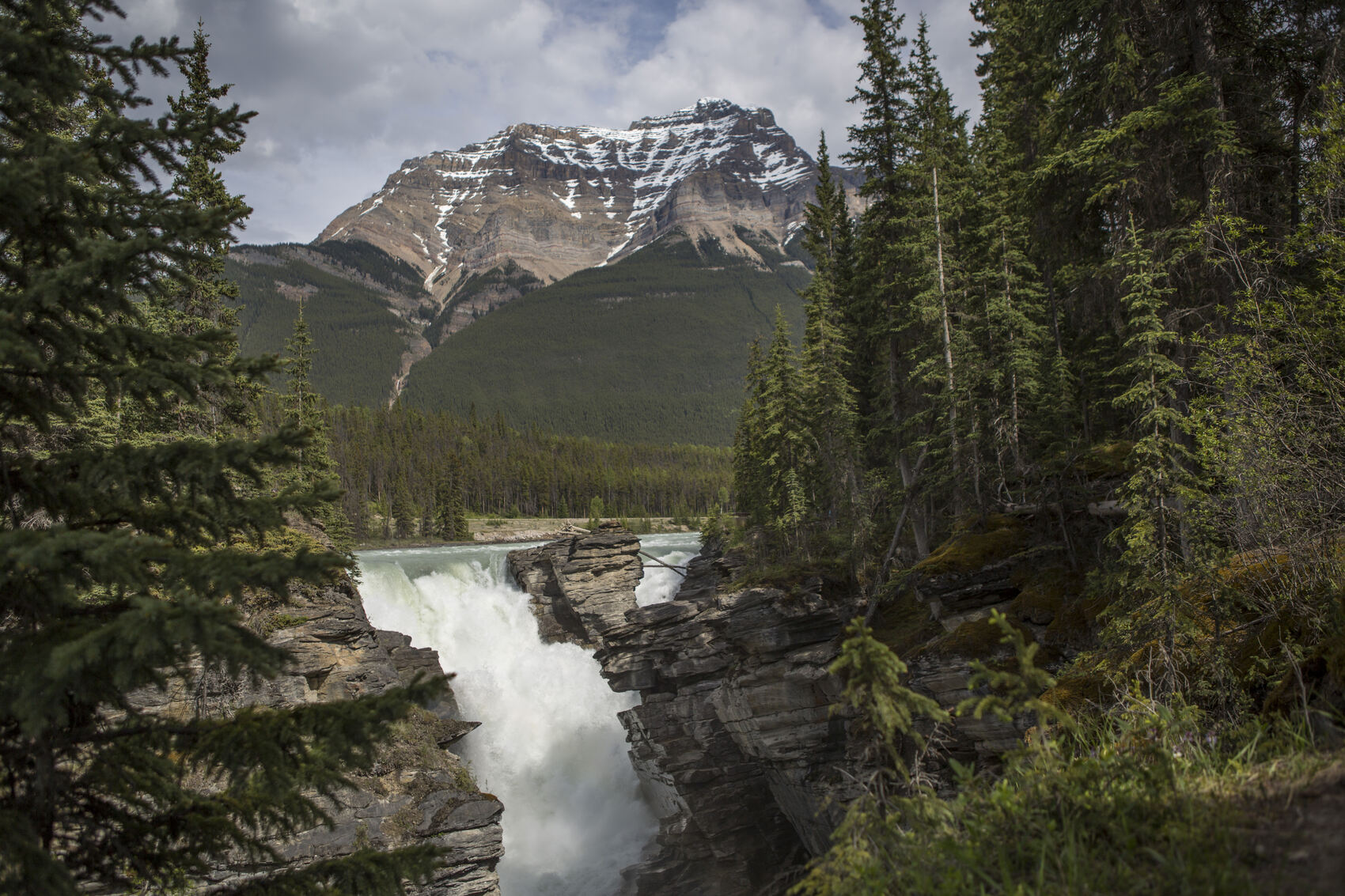
Standing beneath the snow-capped peaks of the beautiful Canadian Rockies, it's easy to understand why this wild landscape became the emotional backdrop for Ang Lee’s seminal Brokeback Mountain.
Although the story itself is actually set south of the border in Wyoming, much of the film was shot in Alberta, Canada, where towering mountains, pine-covered valleys, and endless open spaces create a landscape that feels both liberating and impossibly remote. It's here, deep in the Kananaskis Country wilderness, that Jack and Ennis find moments of freedom where they can explore their romance away from the expectations of everyday life.
For travellers, the region offers the chance to experience that same sense of escape. Spend days hiking through alpine scenery and spotting wildlife like black bears and elk, camping beneath star-filled skies, and waking up surrounded by some of North America's most spectacular wilderness. Some places stay with you long after you've left; the Canadian Rockies are most certainly one of them.
Yorkshire through the lens of God's Own Country
Forget London's landmarks for a moment. Francis Lee’s God’s Own Country was filmed up in the rural Yorkshire Dales in the UK; a landscape of rolling green hills, dry-stone walls, and working sheep farms anchored by isolated stone cottages and single-track country lanes.
Johnny is running the farm alone, pulled between responsibility and escape, when Gheorghe arrives from Romania to help during lambing season. What begins as shared labour in remote fields gradually shifts in tone. Long days are spent working side by side across muddy hillsides, with nights spent in close quarters trying to stay warm, and small moments of understanding begin to gradually build between them.
As expected, most of this tender film unfolds outdoors, among livestock, barns, and temporary shelters on the land, where the landscape is never separate from the work itself. The hills are always present in the background — wide, open, and exposed — shaping the rhythm of daily life.
Across the Australian Outback with Priscilla, Queen of the Desert

The Adventures of Priscilla, Queen of the Desert follows two drag queens and a trans woman as they travel from Sydney deep into the heart of Australia’s Outback, taking their stage show on the road in a lavender tour bus named Priscilla.
The film opens and closes at the Imperial Hotel in Erskineville, Sydney — a real institution of the city’s LGBTQ+ scene since 1983. Known for its long-running drag performances, it remains closely tied to the film’s legacy, even offering a Priscilla-themed drag show in its honour. It’s a fitting launch point for a story rooted in performance, identity, and community.
From there, the journey moves into the far western reaches of remote New South Wales, where Broken Hill becomes a key backdrop for the film. Much of the town’s hotel interiors were filmed at Mario’s Palace (now the Palace Hotel), a space already known for its flamboyant, theatrical character — aptly described by producer Al Clark as ‘drag queen heaven’.
Other key locations include Coober Peddy — the ‘opal capital of the world’ — and King’s Canyon (Watarrka); a spectacular spot featuring 300m (984 ft) high sandstone walls and home to the Luritja and Arrente peoples for well over 20,000 years.
LGBTQ+ history in San Francisco's Milk
Few places are as closely connected to LGBTQ+ history as San Francisco. Filmed throughout the whole city, Milk tells the story of activist Harvey Milk — the first openly gay man elected to political office in California — and the movement that transformed LGBTQ+ rights across the United States.
Many of the film's most memorable scenes take place in the Castro District, a neighbourhood (or ‘gaybourhood’) that remains one of the world's most important centres of queer culture. After all, it was here that the Pride flag was born, and today, visitors can explore historic landmarks like the namesake Castro Theatre, community spaces, and local businesses that continue to shape the city's identity.
If you ever find yourself here, keep an eye out for the bronze ‘Rainbow Honour Walk’ plaques which were installed to honour the Lesbian, Gay, Bisexual, Transgender, and Queer individuals who have made a significant impact throughout global history.
New York's ballroom legacy in Paris Is Burning
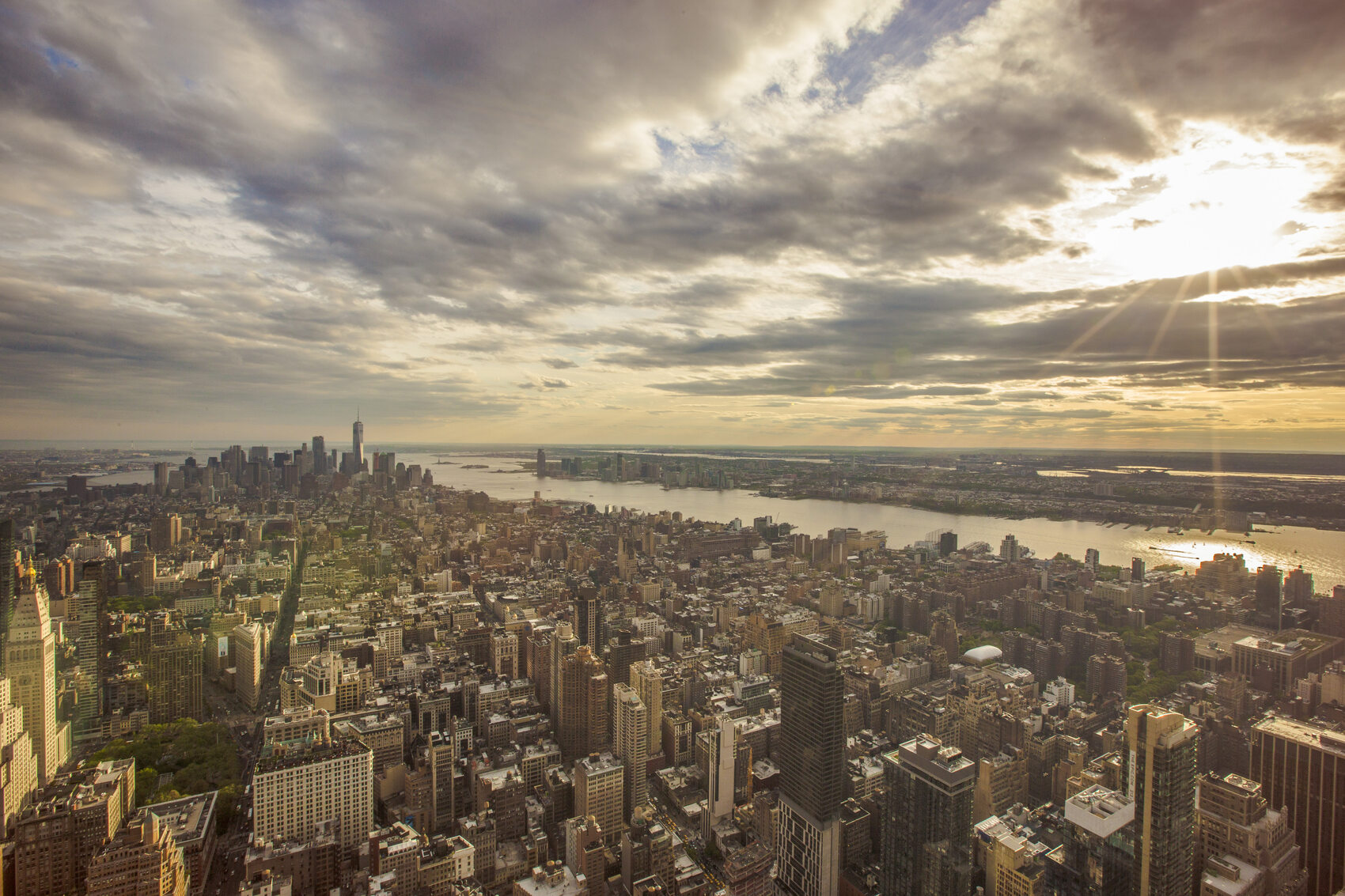
Released in 1990 right in the midst of the AIDS crisis, Paris Is Burning offers a window into New York City's ballroom scene of the 1980s, documenting the lives, ambitions, and creativity of Black and Latino LGBTQ+ communities who found belonging through the city's underground drag balls and chosen ‘houses’ and families.
The film moves through Harlem, Manhattan, and the neighbourhoods where ballroom culture flourished, introducing audiences to legendary figures including Pepper LaBeija, Dorian Corey, and Venus Xtravaganza. Through categories like ‘Executive Realness’ and ‘Vogue’, participants competed, performed, and created spaces where they could express themselves freely in a society that often excluded them.
More than three decades later, the influence of ballroom culture can still be felt across fashion, music, dance, and popular culture all around the globe. Visitors to New York can explore neighbourhoods that helped shape the movement, while the city's LGBTQ+ history remains visible through its community spaces, thriving nightlife, and multiple cultural institutions dotted all about the city.
Seoul's layered history in The Handmaiden
Visually stunning and intensely atmospheric, Park Chan-wook’s erotic thriller The Handmaiden moves masterfully between two completely different worlds, using locations that reflect the story's tense 1930s colonial-era backdrop by blending traditional Korean heritage with distinct Japanese architecture.
The production crossed the sea to Japan to find the perfect physical anchor for the film's main setting. The exterior of the imposing, moody estate is a real-world National Important Cultural Property called Rokkaen (the Moroto Seiroku Mansion), located in Kuwana, just outside Nagoya. Built in 1913, the estate features an unusual fusion of a Western-style building slammed right up against a traditional Japanese residence.
For the South Korean scenes, the crew moved away from the capital to capture the wilder, more isolated landscapes of Goheung and the haunting, historic island of Sorokdo in South Jeolla, alongside set locations in Pyeongchang and the media studios in Anseong. For travellers, it offers the ultimate East Asian contrast: wander through the historic architectural legacies of South Jeolla, then dive back into Seoul's contemporary energy discovering the thriving nightlife districts of Itaewon after dark.
Berlin's brutalist edge and Dresden's stage in Tár
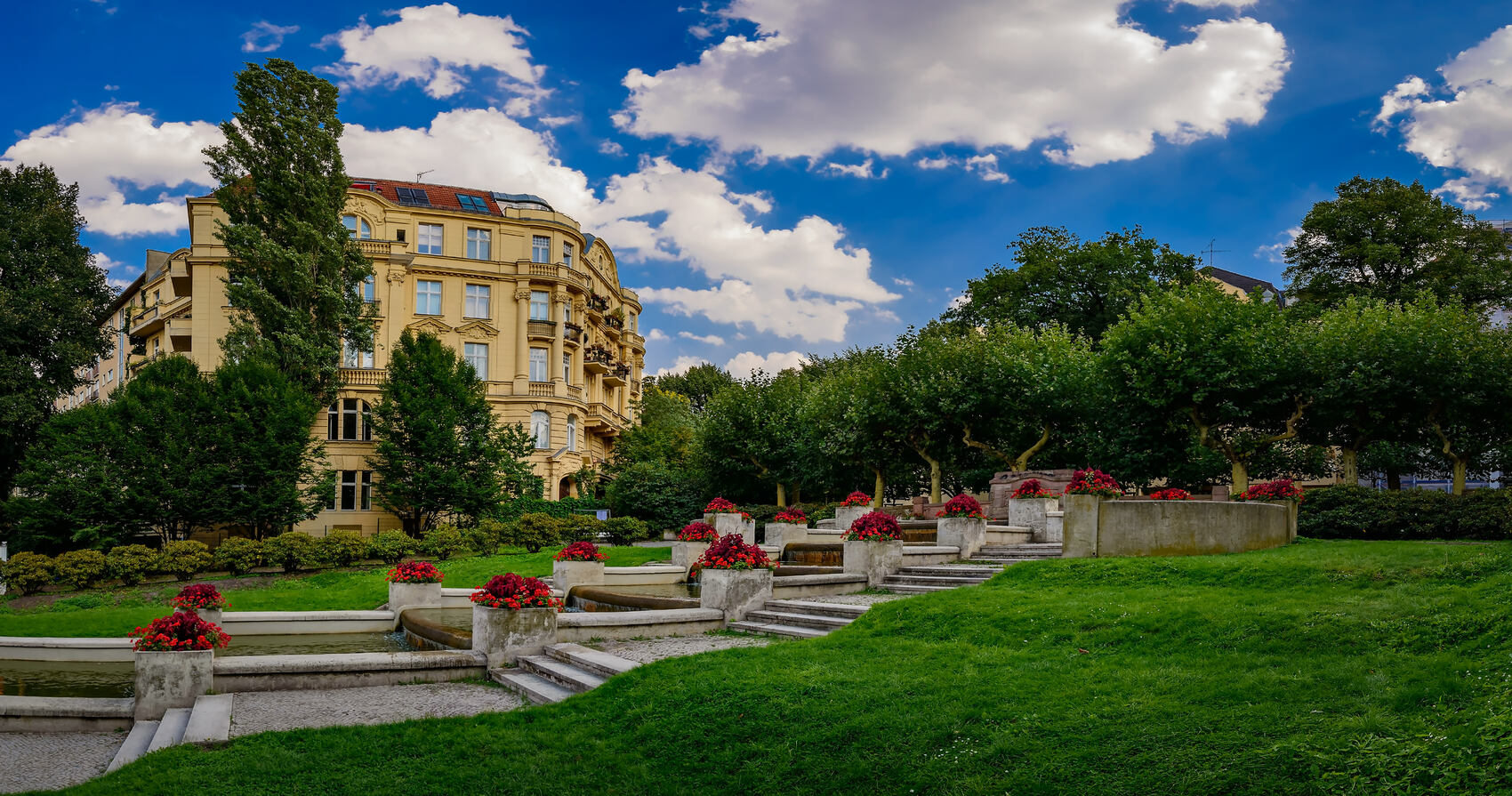
Todd Field’s Oscar-nominated psychological drama Tár uses sharp, minimalist architecture to mirror the high-stakes world of classical music throughout. And while the film pretends that Lydia Tár is commanding the world-famous Berlin Philharmonic, the production actually pulled off a brilliant geographic bait-and-switch.
To find that stunning, wood-panelled 1960s concert hall where Cate Blanchett wields her baton, the film crew actually headed straight to the Kulturpalast in Dresden, filming alongside the real musicians of the Dresden Philharmonic. Back in Berlin, the film bypasses the historic landmarks for a much cooler, industrial vibe.
Lydia's imposing, ultra-sleek family home is the real-world penthouse built on top of the Boros Bunker in Mitte; a giant, reinforced concrete World War II air-raid shelter that now houses a private contemporary art collection. You also see her jogging around the paths of Charlottenburg’s Lietzenseepark and grabbing a classic bite at Lutter & Wegner, one of the German capital’s oldest eateries founded over 200 years ago.
London after dark in All of Us Strangers
In All of Us Strangers, London feels intimate and dreamlike because director Andrew Haigh deliberately chose to bypass tourist hotspots like Big Ben to anchor the story in Vauxhall — a lively hub of contemporary queer nightlife. The movie’s wild club sequence unfolds inside the legendary Royal Vauxhall Tavern, South London's oldest surviving LGBTQ+ venue.
To mirror lead character Adam’s (Andrew Scott) isolation, the film places him in a sleek high-rise, and while the plot sets his tower in Vauxhall, the real exterior actually stands over in Stratford, East London. Then, when he escapes the city on one of his emotional, time-travelling train journeys, he boards the Tube at Bank Station on the Waterloo & City line.
The train spits him out in the quiet suburb of Sanderstead in Croydon, where Haigh filmed the childhood scenes inside his actual boyhood home on Purley Downs Road. The characters also wander through Sanderstead Recreation Ground and stroll through Croydon's mid-century Whitgift Centre, giving travellers a look at the real, sprawling London away from the tourist trail—a mix of historic queer sanctuaries and nostalgic suburban enclaves.
A raw portrait of Los Angeles in Tangerine
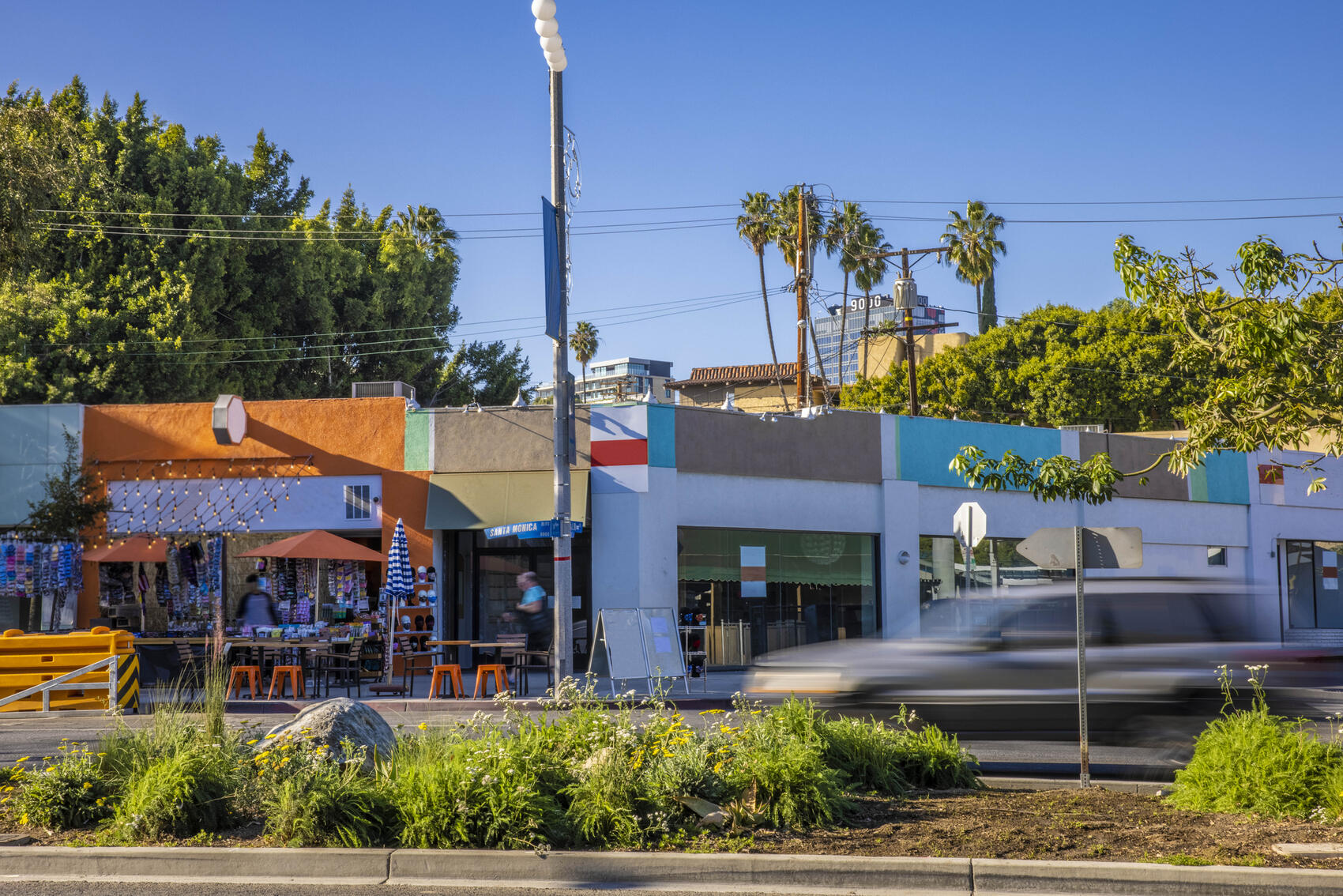
Shot entirely on iPhones by director Sean Baker, 2015’s Tangerine captures Los Angeles at street level with an infectious, chaotic energy. Set over the course of a single Christmas Eve, the film follows two trans sex workers across the pavements of Hollywood and West Hollywood as they try and get revenge on a cheating boyfriend, offering a raw glimpse into communities often left out of mainstream depictions of the city.
The film's fast-paced drama plays out across a tight grid of real-world intersections and local hangouts. The opening confrontation kicks off at the iconic Donut Time on the corner of Santa Monica Boulevard and Highland Avenue, a famous neighborhood crossroads. From there, Sin-Dee Rella and Alexandra sprint past the low-slung motels of West Hollywood (WeHo), down the sun-bleached concrete of Formosa Avenue, and pull up at the nearby Launderland Coin Laundry.
The story also moves down the block to the brightly lit parking lot of El Gran Burrito where the two main characters share a meal, while the camera tracks past the exterior of Hamburger Mary’s, a legendary neighborhood fixture. So, ditch the generic movie-star bus tours and wander these exact blocks to experience the authentic, multicultural, and fiercely creative pulse of LA's most legendary LGBTQ+ enclave.
Royal drama and queer intrigue in The Favourite
Palaces, power struggles, and razor-sharp dialogue by the three leading ladies make Yorgos Lanthimos’ The Favourite unforgettable, but the locations are just as compelling. Shot across some of England's grandest historic estates — most notably Hatfield House in Hertfordshire and Hampton Court Palace in Greater London — the film opens a window into both British history and royal scandal.
The opulent interiors, sweeping tapestries, secret wood-panelled corridors, and sprawling, landscape gardens where Rachel Weisz shoots a gun at Emma Stone offer a direct glimpse into a world shaped by politics, intense rivalries, and secret love affairs. Today, both of these magnificent estates welcome visitors, making it possible to step directly back into the late 17th and early 18th centuries and stroll through the grand halls long after the credits roll.
Read more:
Pride of place: exploring the world’s most historic LGBTQ+ neighbourhoods


