

Italy’s ‘ Big Three’ — Rome, Florence, and Venice — are bucket-list icons for a reason, but heavy crowds, long lines, and tourist-trap menus can easily dampen the magic of a Mediterranean getaway. Beyond these famous flagships lies an untouched, deeply authentic side of the Bel Paese, where historic hill towns, pristine coastline, and world-class culinary traditions thrive without the endless tour buses. If you're willing to swap the standard itinerary for a detour into Italy off the beaten path, you'll discover region-specific recipes passed down for generations, breathtaking landscapes, and hidden gems that offer a far richer taste of authentic Italian life.
Swap Venice for Treviso and Trieste
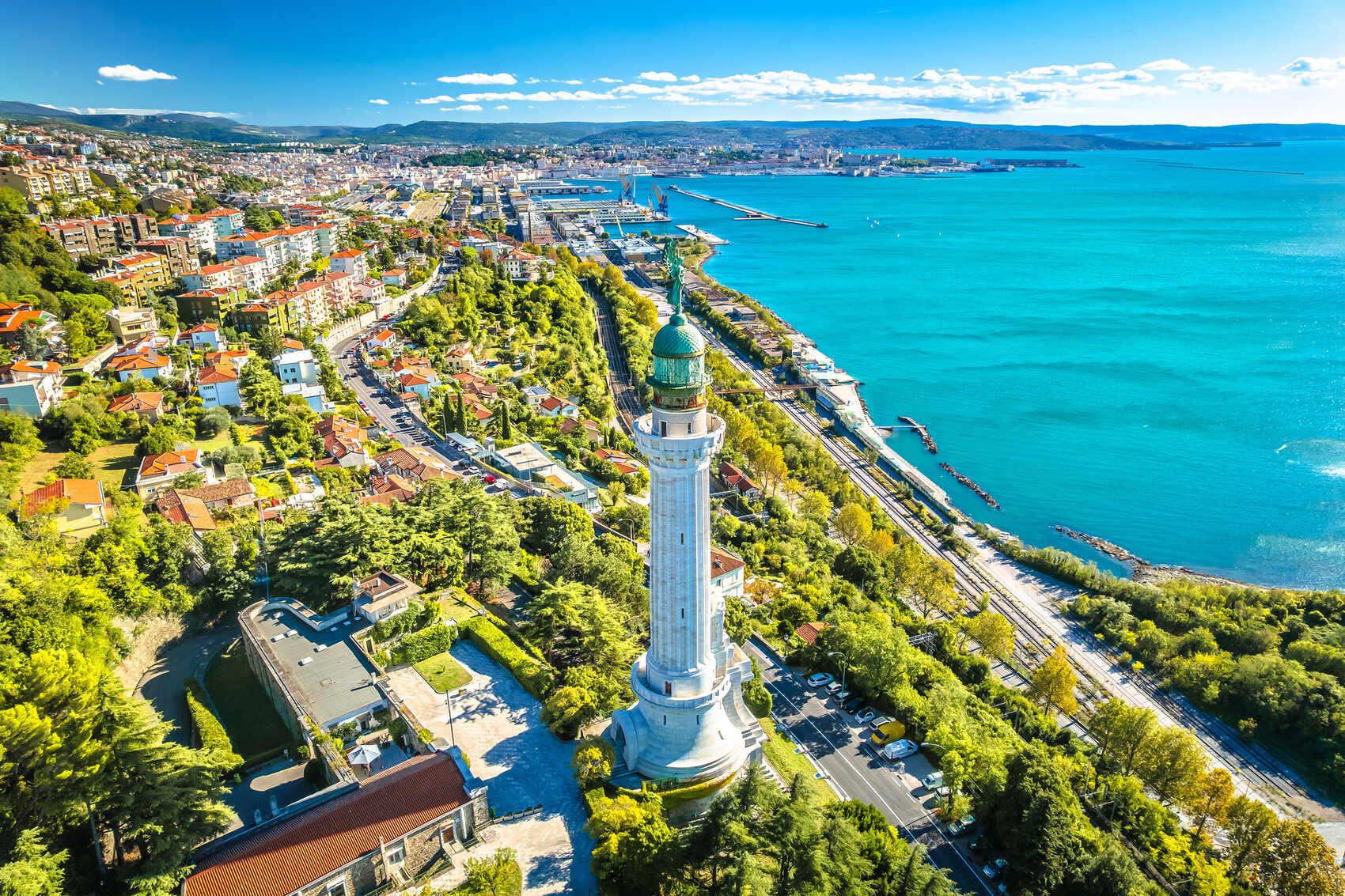
Trade Venice’s famous canals for the quieter charms of Treviso and Trieste, where elegant architecture, Adriatic views, and distinctive regional flavours offer a different taste of northern Italy.
Places to visit
If you’re after Venice’s romantic canals and grand architecture without the shoulder-to-shoulder crowds, head east to Treviso and Trieste. In Treviso, often called ‘Little Venice’, wander along the winding, willow-draped Canale dei Buranelli, before stopping at Isola della Pescheria, a tiny island in the middle of the canal that’s home to the city’s legendary morning fish market. Over in Trieste, Piazza Unità d’Italia steals the show. This vast, sea-facing square is framed by grand 19th-century Habsburg palaces, and opens straight onto the Adriatic. Then there’s Miramare Castle, a fairy-tale white limestone palace perched right on the Gulf of Trieste, built for Archduke Maximilian of Habsburg. It’s the kind of place that makes you wonder why everyone else is still queuing for a gondola.
What to eat
Come hungry, because this corner of Italy has plenty to bring to the table. Treviso lays claim to being the birthplace of tiramisù, so naturally, sampling the original coffee-soaked, mascarpone-layered dessert at a local osteria is practically a civic duty. Pair it with a glass of prosecco and a plate of cicchetti, Venice’s answer to tapas, made for grazing your way through an afternoon. In Trieste, things take a heartier turn, with dishes shaped by the city’s Austro-Hungarian past. Tuck into jota, a warming mix of sauerkraut, beans and potatoes, or try Triestine goulash, a rich, paprika-spiced beef stew. Basically, come for the canals, stay for the carbs.
Why it beats the ‘Big Three’
For starters, Treviso gives you the canals, frescoed buildings, and slow-paced charm you came for, without having to elbow your way through a crowd, or follow a tour guide’s umbrella. Just 30 minutes north of Venice, it’s a fraction of the price and feels like a real working city rather than an open-air theme park. Then there’s Trieste, where Italian dolce vita gets a Central European twist. Grand Habsburg palaces meet the Adriatic, historic literary cafés, and a distinctly cosmopolitan atmosphere, creating a cultural mash-up that feels unlike anywhere else in Italy. In other words, fewer crowds, more character, and plenty of reasons to stay a little longer.
Swap Florence for Bologna and Ferrara
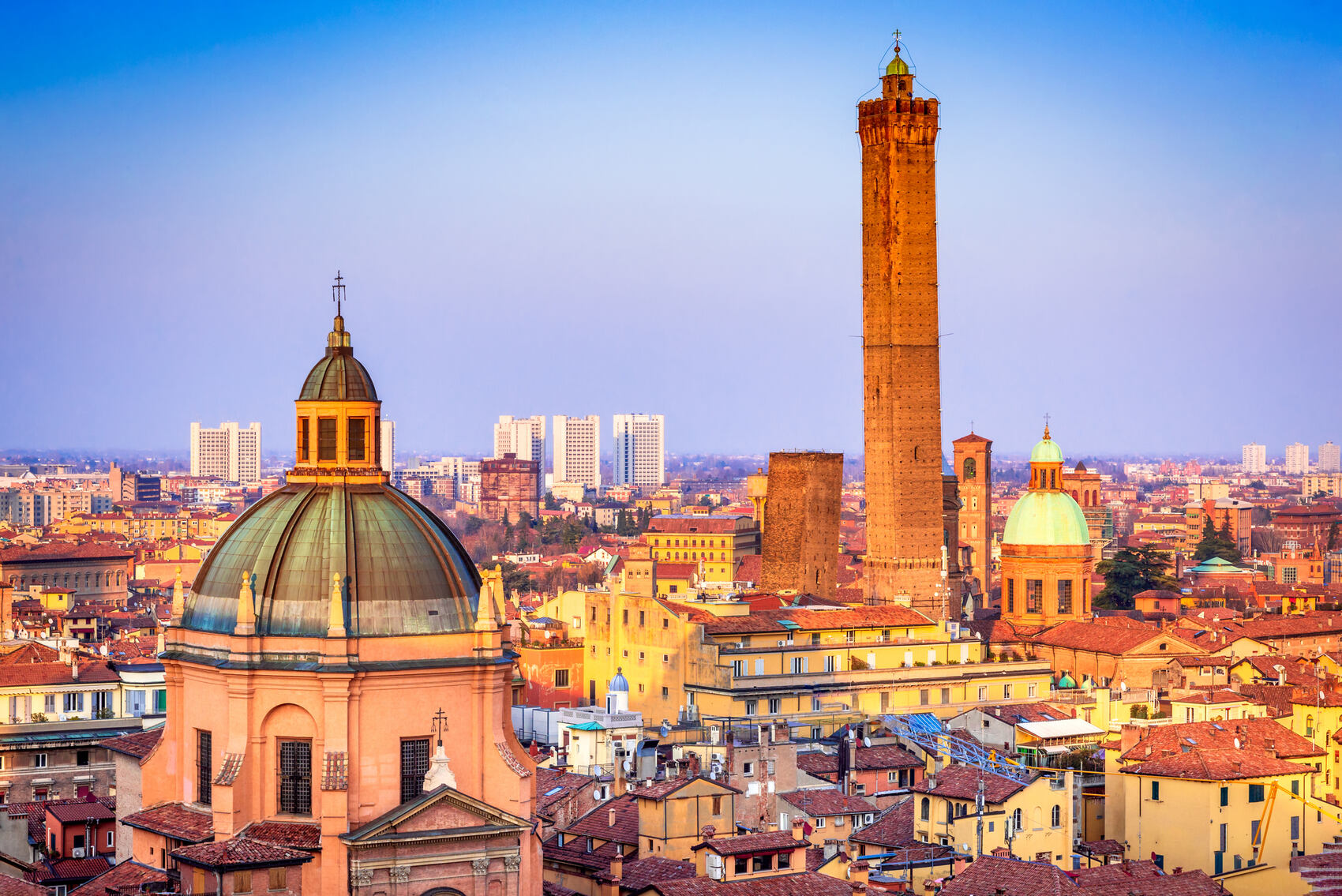
Swap Florence’s Renaissance crowds for the characterful streets of Bologna and Ferrara, where grand architecture, medieval charm, and exceptional food come with a little more breathing room.
Places to visit
Start in Bologna, where terracotta rooftops, grand porticoes, and medieval towers give the city its unmistakable character. Wander through Piazza Maggiore, duck into the Basilica di San Petronio, and follow the city’s covered arcades until you inevitably end up somewhere good for lunch. Then slow things down in Ferrara, a Renaissance gem wrapped in medieval walls. Explore the imposing Castello Estense, cycle along the city’s atmospheric lanes, and take in the Palazzo dei Diamanti, famous for its diamond-shaped stone façade. Together, they offer a hefty dose of Italian history without Florence’s constant crowds.
What to eat
If Florence is famous for bistecca, Bologna comes armed with an entire menu of reasons to loosen your belt. This is the home of tagliatelle al ragù, tortellini, and mortadella, while nearby Emilia-Romagna produces some of Italy’s most celebrated culinary staples, from Parmigiano Reggiano to balsamic vinegar. In Ferrara, look out for local specialities such as cappellacci di zucca — pasta parcels stuffed with sweet pumpkin — and the wonderfully rustic coppia ferrarese bread. Come for the Renaissance, stay because you’ve ordered another plate of pasta.
Why it beats the ‘Big Three’
Bologna and Ferrara give you much of what makes Florence so irresistible — Renaissance architecture, beautiful historic centres, serious art, and a food scene worth travelling for — but with a little more breathing room. Bologna has the buzz of a proper Italian city, while Ferrara feels slower and more intimate, with its medieval walls, and bike-friendly streets. Best of all, you can experience both without spending your trip battling through tour groups or paying Florence prices. Think less queueing, more lingering, which is really the Italian way.
Swap Rome for Naples and Matera
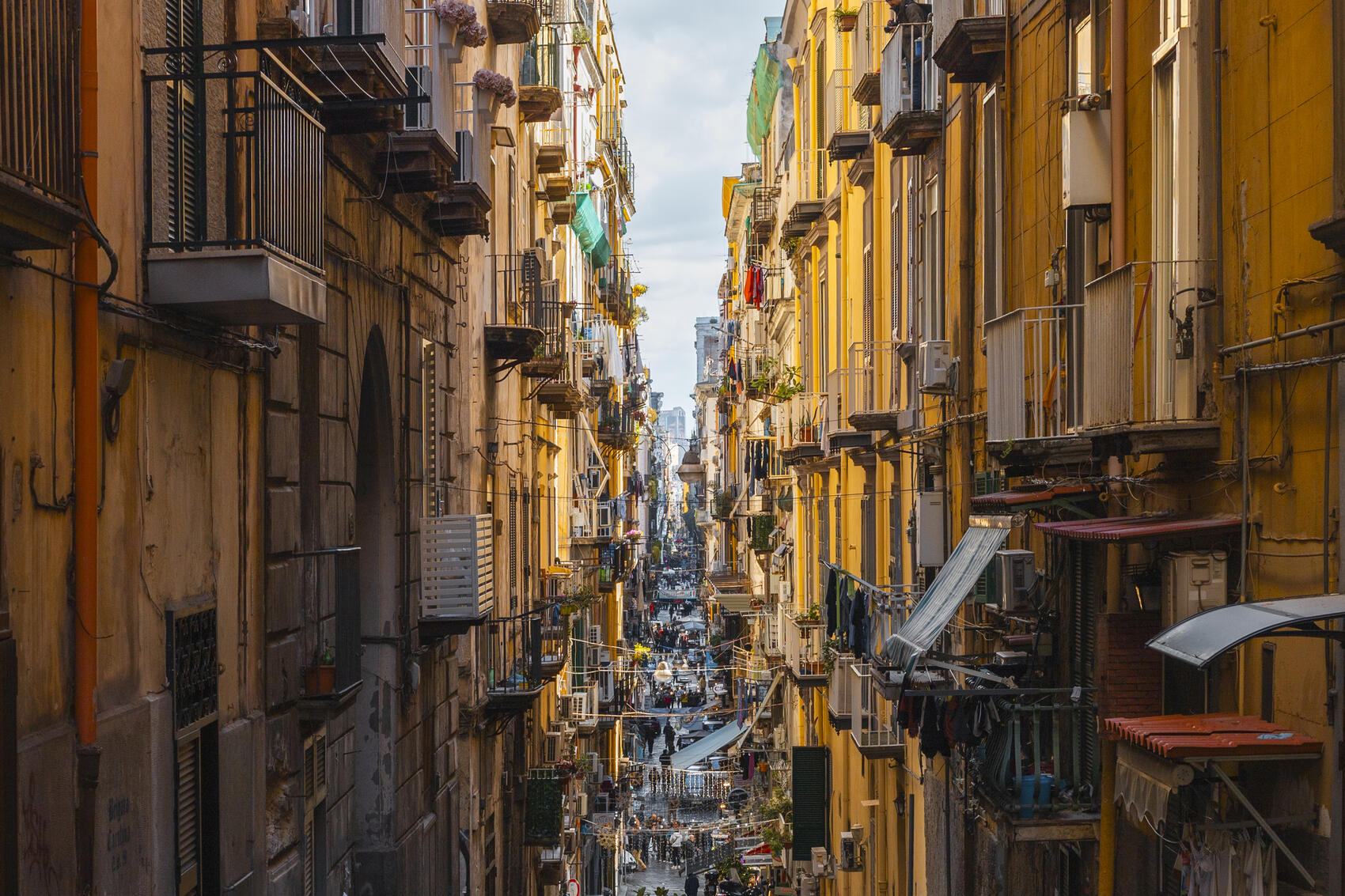
Trade Rome’s famous landmarks for the raw energy of Naples and the ancient charm of Matera, where history, culture, and unforgettable food come with that little bit more of an edge.
Places to visit
If Rome’s ancient history is calling, but you’d rather skip the crowds around the Colosseum, head south. Naples is wonderfully chaotic, with crumbling palazzi, buzzing piazzas, and layers of history around every corner. Explore the underground tunnels of Napoli Sotterranea, wander through the historic centre, and take a day trip to nearby Pompeii for your ancient-Roman fix. Then there’s Matera, where the Sassi — a maze of cave dwellings carved into the rock — tumble down the hillside in one of Italy’s most extraordinary landscapes. It’s ancient, atmospheric, and utterly unlike anywhere else in the country.
What to eat
Naples takes its food very seriously, and you’ll quickly understand why. This is pizza territory, so make a beeline for a classic Neapolitan margherita, ideally eaten standing up on a lively street, before grabbing an espresso and something sweet. Try sfogliatella, a crisp, flaky pastry filled with sweet ricotta. In Matera, enjoy the flavours of Basilicata: rustic breads, handmade pasta, local cheeses, and hearty dishes built around simple, seasonal ingredients. Come hungry, Southern Italy doesn’t believe in small portions.
Why it beats the ‘Big Three’
Naples and Matera offer the history and drama of Rome, but with a much more unruly, unexpected edge. Naples feels like a city lived in rather than preserved for visitors, while Matera’s ancient cave dwellings provide the kind of jaw-dropping backdrop you simply can’t manufacture. You’ll still get Roman history, spectacular architecture, and exceptional Italian food, but without spending your entire trip shuffling between landmarks in a sea of tour groups. If Rome is the blockbuster, this is the slightly more chaotic indie film, and arguably more fun for it.
Swap the Amalfi Coast for Puglia and Basilicata
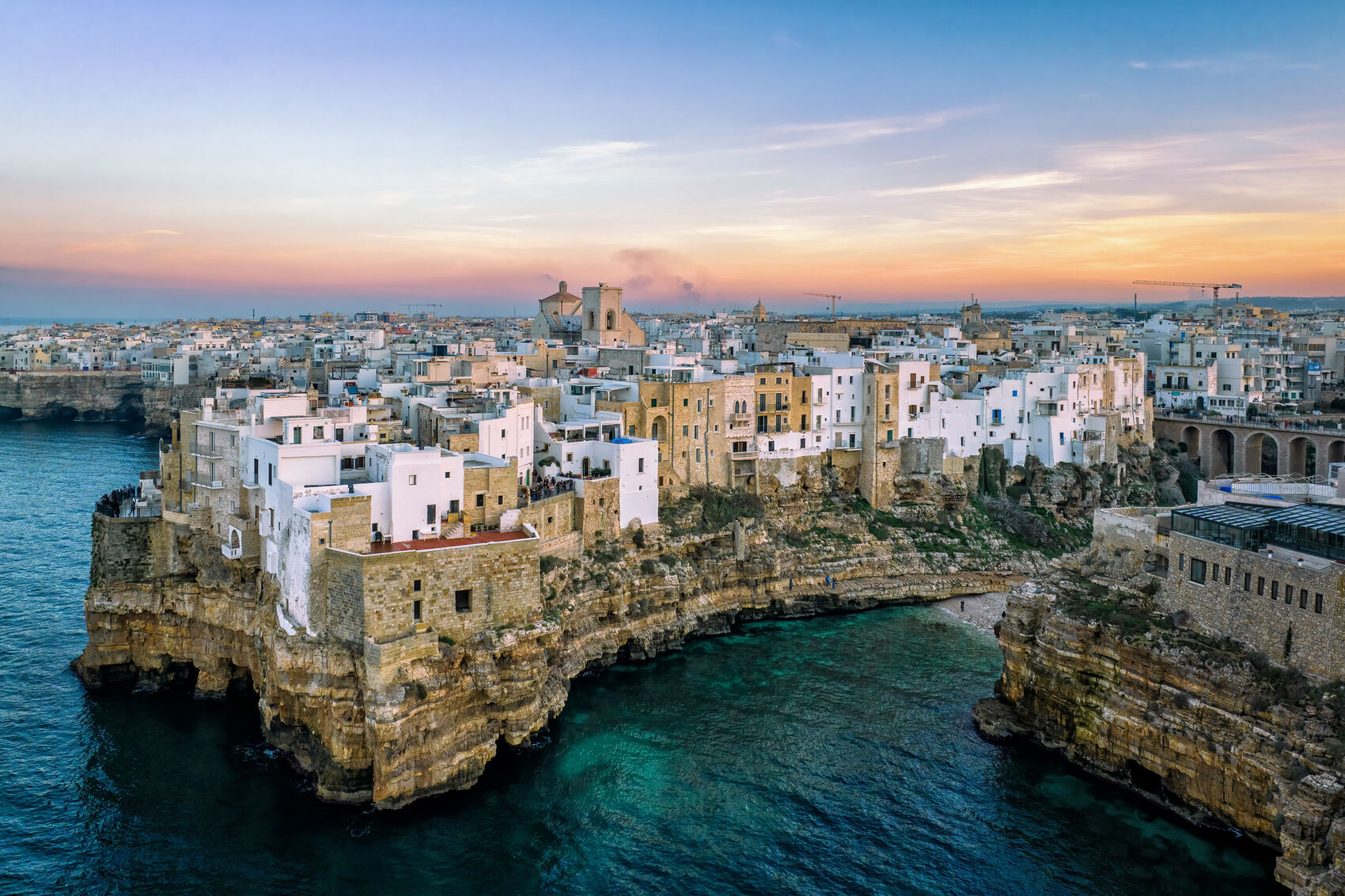
Swap the Amalfi Coast’s dramatic cliffs for the laid-back beauty of Puglia and Basilicata, where turquoise waters, whitewashed towns, and ancient landscapes offer a quieter taste of southern Italy.
Places to visit
Swap Amalfi’s cliff-hugging villages for the whitewashed towns, ancient architecture, and turquoise waters of Puglia and Basilicata. In Puglia, Polignano a Mare tumbles dramatically towards the Adriatic, with whitewashed houses perched above a tiny, impossibly blue cove. Head inland to Alberobello, where clusters of conical-roofed trulli look like they’ve been plucked from a fairytale, or wander the honey-coloured streets of Ostuni, known as the ‘White City’. It’s southern Italy at its most photogenic, with plenty of opportunities to find your own little slice of dolce vita.
What to eat
Food here is all about brilliant local ingredients, and recipes that have been passed down through generations. Start with freshly made burrata, so creamy it practically demands to be eaten with a chunk of crusty bread, then try hand-rolled orecchiette with turnip tops, a Puglian classic that’s simple, garlicky, and deeply satisfying. Don’t leave without trying focaccia barese, either: golden, pillowy, and usually topped with tomatoes and olives, it’s the sort of snack that mysteriously disappears before you’ve even finished saying ‘just one more slice’.
Why it beats the ‘Big Three’
Puglia and Basilicata give you the postcard-worthy beauty of the Amalfi Coast, but with a little more space to actually enjoy it. Rather than spending half your day inching through traffic along narrow coastal roads, you can explore whitewashed hill towns, swim in clear Adriatic waters, and discover ancient architecture without battling the same crowds at every turn. Add sunshine, excellent food, and a slower pace of life, and you’ve got all the ingredients for a memorable southern Italian escape, just with fewer crowds and far less road rage.
Swap Milan and The Lakes for Turin and Piedmont
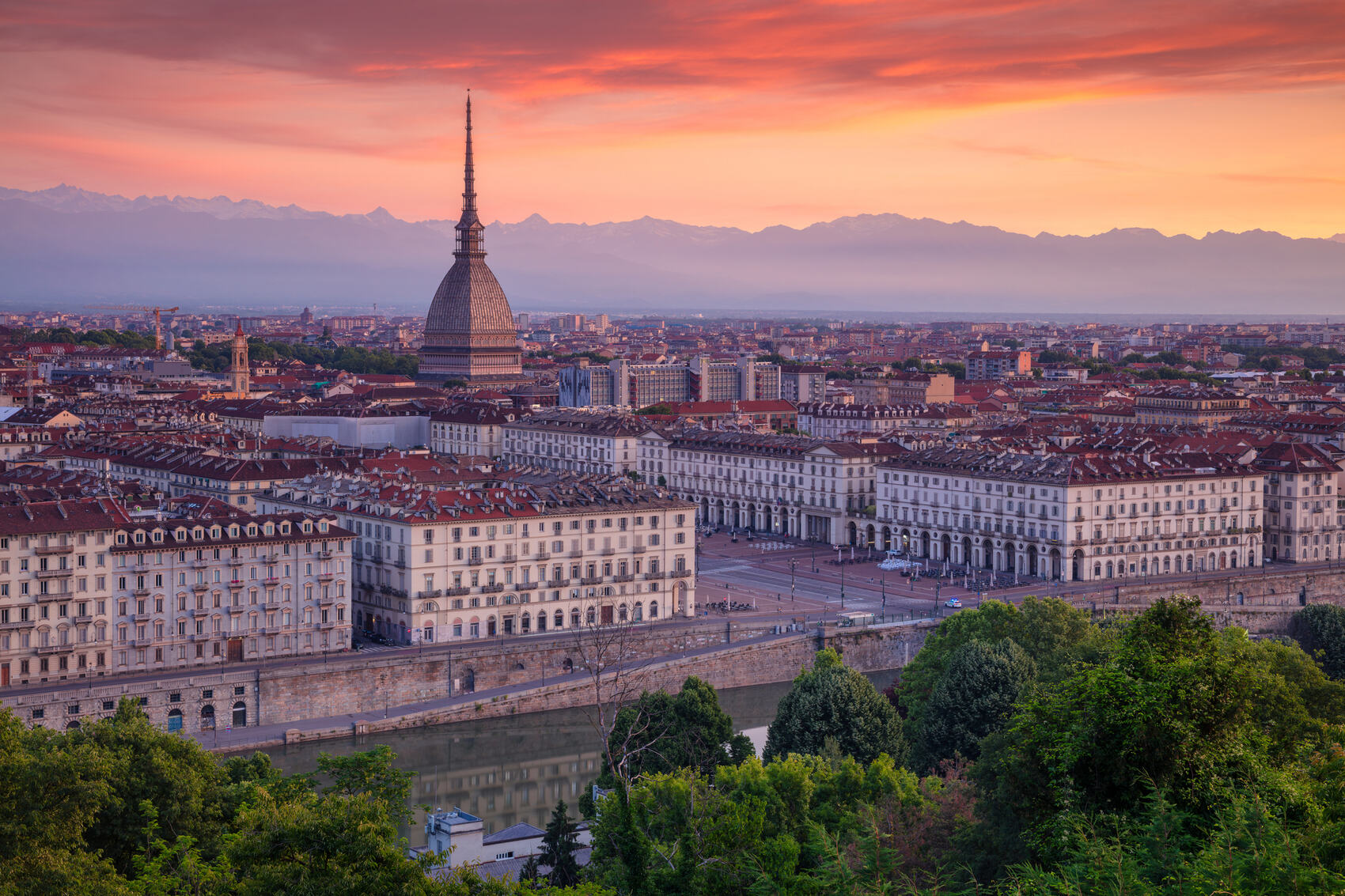
Swap Milan’s polished streets and the Lakes’ picture-perfect shores for Turin and Piedmont, where grand architecture, rolling vineyards, and Alpine scenery come with a more relaxed pace.
Places to visit
Trade Milan’s sleek city streets and the Lakes’ postcard views for Turin’s grand boulevards, elegant piazzas, and mountain-framed skyline. The former capital of Italy has plenty of imperial swagger, from the magnificent Piazza Castello to the Mole Antonelliana, while the surrounding Piedmont countryside feels like another world entirely. Head into the Langhe hills to wander through vineyard-covered landscapes and medieval villages, or explore the handsome town of Alba, the unofficial capital of the region’s truffle country. It’s sophisticated Italy, just with a little more breathing room.
What to eat
Piedmont is the sort of place where dinner can quickly become the main event. This is truffle territory, so look out for dishes generously shaved with prized white truffles, particularly when they’re in season. Try tajarin, delicate ribbons of egg pasta traditionally served with rich sauces, alongside local cheeses and vitello tonnato, a wonderfully odd-sounding but delicious combination of tender veal and creamy tuna sauce. And then there’s the wine: Barolo and Barbaresco are the region’s heavy hitters, while Turin itself has a serious claim to the aperitivo. Order a bicerin or a vermouth, settle into a historic café, and let the afternoon take care of itself.
Why it beats the ‘Big Three’
Turin and Piedmont offer the elegance of northern Italy without Milan’s price tags or the Lakes’ peak-season crowds. You get grand architecture, world-class food and wine, Alpine scenery and a slower, more local rhythm, all within easy reach of one another. Instead of squeezing onto a packed lakeside promenade, or navigating Milan’s busy centre, you can cycle through vineyards, hunt for truffles, and linger over long lunches with the Alps in the distance. If Milan is Italy in designer mode, Piedmont is Italy with its sleeves rolled up, and a very good bottle of wine on the table.
Essential tips for traveling off the beaten path in Italy
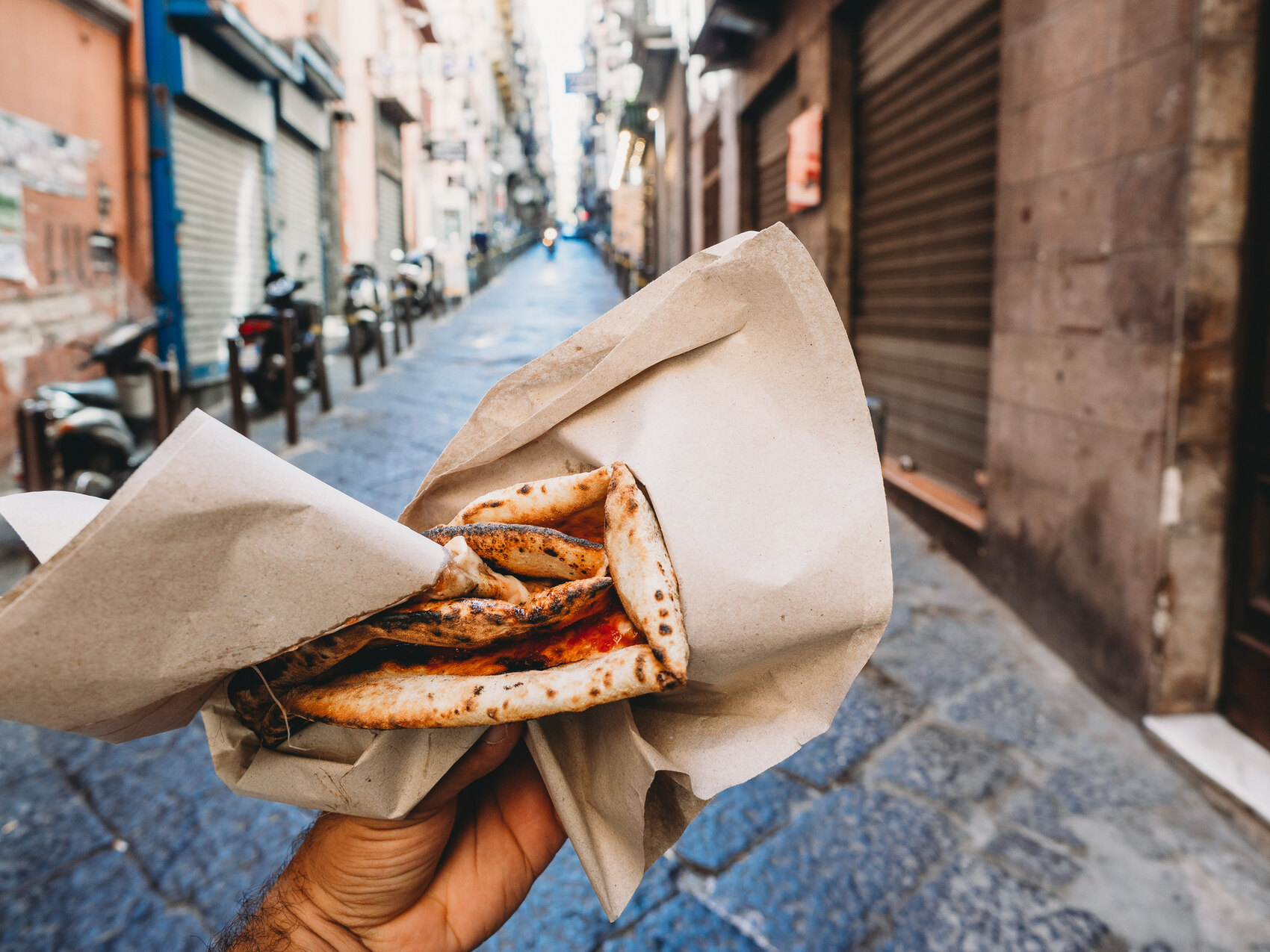
A little planning goes a long way when exploring Italy beyond the usual tourist trail, from choosing the right transport to timing your visit and knowing how to eat like a local.
How to get around
Getting beyond Italy’s big-name cities usually means swapping the metro map for a little more planning. Regional trains are a great way to hop between many of the towns and cities on this list, with Trenitalia connecting plenty of lesser-known destinations without the hassle of driving. But if you’re heading into the countryside, vineyards, or hill towns, renting a car gives you much more freedom - and the chance to make those spontaneous roadside stops that often turn into the best part of the trip. Just remember that Italian historic centres love a ZTL (restricted traffic zone), so check where you can actually drive before following Google Maps down a medieval alley.
Dining etiquette
One of the quickest ways to spot a tourist in Italy? Trying to order dinner at 5pm. Meal times tend to run later, with lunch generally landing around midday to 2pm and dinner from around 7.30pm onwards, particularly in the warmer months. Embrace the rhythm rather than fighting it, and look out for seasonal menus that showcase what’s actually growing nearby. For a truly local experience, book an agriturismo, rural farm stays where meals often showcase ingredients produced on the property or in the surrounding area. And don’t be afraid to ask what’s local — Italians are generally more than happy to tell you what you absolutely should be eating.
Best times to visit
If you really want to experience Italy without the crowds, shoulder season is your secret weapon. April and May bring mild temperatures, spring flowers, and fewer visitors, while September and October offer warm days, harvest season, and that lovely golden light that makes practically every hill town look cinematic. You’ll also have a better chance of finding accommodation at more reasonable prices, and restaurants where you can actually get a table. Summer certainly has its charms, but if your idea of off the beaten path involves tranquillity rather than queueing in the midday heat, spring and autumn are hard to beat.


